Music Metadata Explained: Why It's Critical for Independent Artists in 2026
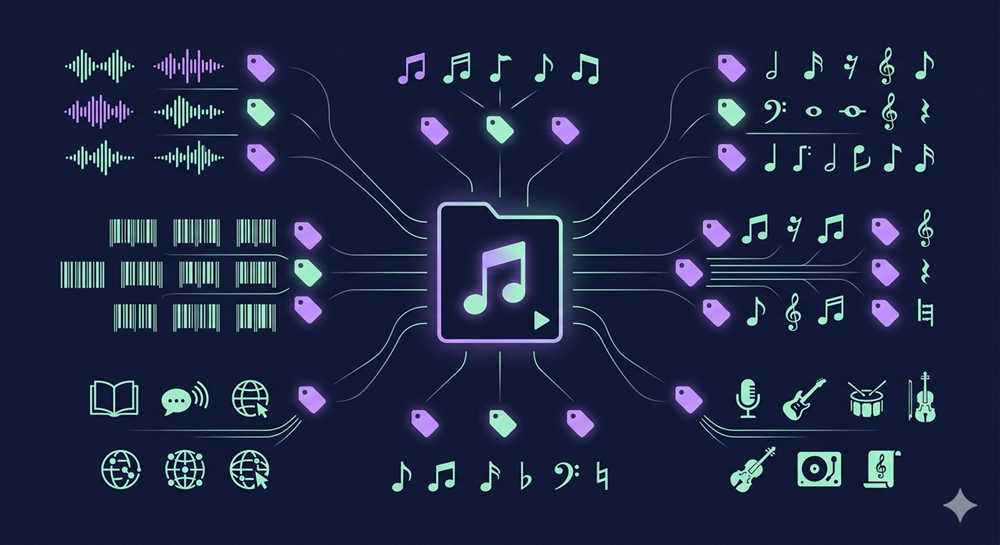
What is music metadata and why does it matter? A complete guide for independent artists covering ISRC codes, DSP metadata requirements, AI disclosure metadata, and how errors cost you royalties.
Music Metadata Explained: Why It's Critical for Independent Artists in 2026
If there's one technical aspect of music distribution that independent artists consistently underestimate, it's metadata. Metadata errors don't just cause DSP rejection — they misattribute royalties, fragment your artist profile, and make your music less discoverable by both algorithms and human curators. Getting it right isn't a detail; it's foundational.
What Is Music Metadata?
Music metadata is the structured data attached to a recording that identifies it, describes it, and links it to the correct rights-holders. Think of it as the complete identity document for your song — everything a streaming platform, royalty system, or music supervisor needs to know about a recording in machine-readable form.
The Essential Metadata Fields
ISRC Code (International Standard Recording Code)
A 12-character unique identifier permanently assigned to a specific sound recording. The ISRC is how streaming platforms, royalty systems, and Content ID databases track and attribute usage of your recording globally. Shopolo Music assigns ISRCs automatically at no extra charge for every release.
Artist Name
Must be exactly consistent across every release — same capitalisation, same spacing, same punctuation. One character difference creates a separate artist profile on every DSP, fragmenting your streaming history, audience data, and royalty attribution. Decide your exact artist name format before your first release and never change it.
Track Title
The official name of the recording as it should appear on all platforms. Must match your single artwork. Avoid special characters that DSPs may not support.
Genre
Primary and secondary genre directly affect algorithmic recommendations on Spotify and Apple Music. Wrong genre classification means your music is less likely to appear in relevant algorithmic playlists and listener feeds. For Indian artists releasing in regional languages, accurate genre tagging is particularly important for language-specific editorial consideration.
Language
Primary language of the vocal performance. This affects territory-specific playlist eligibility and editorial consideration. Correct language tagging can put your Assamese, Bengali, or Marathi song in front of millions of language-specific listeners on JioSaavn and Wynk.
Release Date
The date your recording should be publicly available on all platforms. Set a minimum of 7–10 days from submission, 14–20 days if pitching Spotify editorial.
Explicit Content Flag
Whether the track contains explicit language. Missing this flag violates DSP community guidelines and results in rejection or removal after going live.
AI Disclosure Metadata (New in 2026)
Spotify now supports AI disclosure metadata through the DDEX industry standard — allowing artists and distributors to indicate whether and how AI was used in a track's creation. If any part of your recording involved AI tools, accurately disclosing this in your metadata protects you from potential removal under evolving DSP policies.
Why Metadata Errors Cost You Money
- Incorrect ISRC: Royalty payments attributed to the wrong recording — lost permanently in many cases.
- Inconsistent artist name: Fragmented artist profile — each variant creates a new, separate discography.
- Wrong genre: Excluded from relevant algorithmic playlists and editorial consideration.
- Missing explicit flag: DSP rejection, re-submission delay, and lost release momentum.
- Language error: Excluded from language-specific playlists that could reach your core Indian audience.
Pro Tip: Before every submission, treat your metadata like a legal document. Review every field carefully. Some mistakes can be corrected after a release goes live — but ISRC errors, artist name inconsistencies, and genre mismatches can have permanent consequences for streaming attribution. Getting it right the first time is always easier than fixing it later.
Frequently Asked Questions
What happens if my ISRC code is wrong on Spotify?
An incorrect ISRC causes royalty misattribution — streaming revenue may not be correctly assigned to your release. Contact support@shopolo.in immediately if you suspect an ISRC error on a live release.
Can I change my artist name after my music is live on Spotify?
You can update your artist name on future releases, but existing releases will retain the original name — creating a split profile unless DSPs manually merge them. Getting your artist name right from the first release is critical.
Do I need to disclose AI use in music metadata in 2026?
Spotify now supports AI disclosure metadata through the DDEX standard, and DSPs are increasingly requiring or encouraging disclosure when AI tools were involved in creating a recording. If you used AI tools in your music's creation, disclosing this accurately in your metadata is the safest approach.
→ Shopolo Music validates all metadata before delivery — reducing rejection risk and ensuring every stream is attributed correctly. Start at shopolomusic.com